Are You Responsible For A Broken Window Repair Budget? 12 Top Notch Ways To Spend Your Money
The Art of Broken Window Repair: A Comprehensive Guide
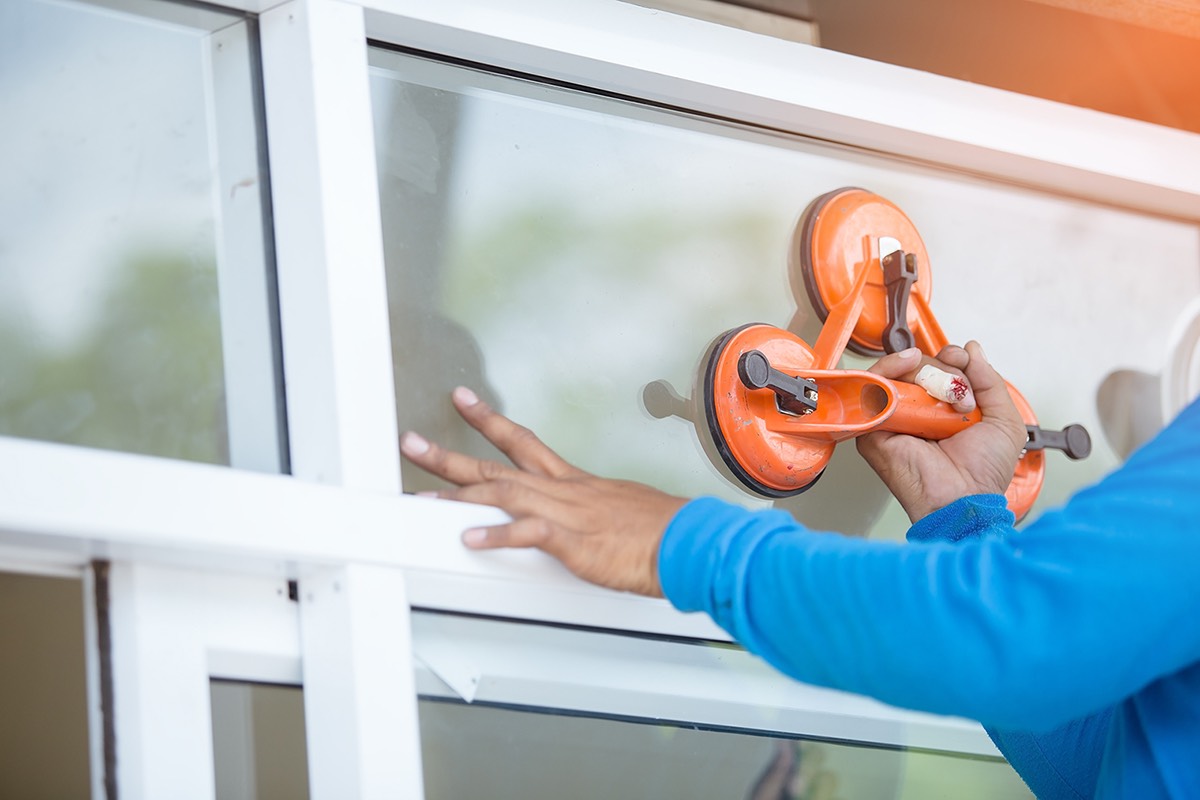
Windows are more than just openings in the walls; they are vital elements of a structure's structure, providing light, ventilation, and insulation. However, they can likewise be vulnerable to damage, whether from accidental impacts, harsh weather, or wear and tear. Recommended Browsing broken window not only reduces the aesthetic appeal of a property however can also cause security dangers, energy ineffectiveness, and increased energy expenses. This detailed guide intends to offer homeowners and property supervisors with the knowledge and steps required to repair damaged windows efficiently.
Comprehending the Importance of Window Repair
Before delving into the repair process, it's important to comprehend why fixing broken windows is essential. A damaged window can:
- Compromise Safety: Broken glass can pose a considerable threat of injury to residents.
- Increase Energy Costs: Gaps in the window can cause heat loss in winter season and heat gain in summertime, making your HVAC system work harder.
- Affect Property Value: Unrepaired windows can interfere with the general appearance and worth of a residential or commercial property.
- Invite Pests: Cracks and gaps can serve as entry points for pests like insects and rodents.
- Trigger Water Damage: Leaks can lead to water damage, mold, and other structural problems.
Determining the Type of Damage
The primary step in repairing a broken window is to recognize the type of damage. Typical types include:
- Cracked Glass: Minor cracks can typically be fixed, while major fractures normally require replacement.
- Broken Pane: An entirely shattered pane demands a replacement.
- Loose or Warped Window Frame: This can be brought on by age, moisture, or poor installation.
- Harmed Seals: Broken seals can result in drafts and moisture intrusion.
- Rotted Wood: Wooden frames can rot due to moisture, needing replacement or repair.
Getting ready for the Repair
Before beginning the repair, gather the essential tools and products. Here's a list of basics:
- Safety Gear: Gloves, safety glasses, and a dust mask.
- Tools: Screwdriver, putty knife, hammer, sculpt, and a drill.
- Products: Replacement glass, glazing putty, paint, silicone sealant, and weatherstripping.
Step-by-Step Guide to Repairing a Broken Window
Guarantee Safety
- Wear gloves and goggles to protect yourself from glass fragments.
- Clear the area around the window to avoid accidents.
Remove the Broken Glass
- Thoroughly remove any remaining glass from the frame utilizing a putty knife and pliers.
- Utilize a vacuum to get little pieces of glass and particles.
Inspect the Frame
- Inspect the frame for any signs of damage, warping, or rot.
- If the frame is harmed, you might require to replace it or utilize wood filler for small repairs.
Get Rid Of Old Glazing Putty
- Utilize a heat weapon to soften the old glazing putty and a putty knife to scrape it away.
- Make sure all old putty and paint are eliminated to create a clean surface for the new glass.
Step and Cut the New Glass
- Measure the frame accurately to determine the size of the brand-new glass.
- Cut the glass to size utilizing a glass cutter and a straight edge.
Install the New Glass
- Use a thin layer of glazing putty around the edges of the frame.
- Thoroughly put the brand-new glass into the frame, ensuring it is focused.
- Use glazing points (small metal clips) to hold the glass in location.
Apply Glazing Putty
- Press the glazing putty around the edges of the glass to protect it.
- Smooth the putty with a putty knife to produce a cool finish.
Allow the Putty to Dry
- Let the putty dry for numerous days according to the maker's guidelines.
Paint the Putty
- As soon as the putty is dry, paint it to match the window frame and surrounding area.
Install Weatherstripping and Sealant
- Apply weatherstripping to the edges of the window to prevent drafts.
- Use silicone sealant to seal any gaps around the frame.
Expert Help vs. DIY
While minor repairs can frequently be handled by house owners, more substantial damage may require professional help. Here are some circumstances where calling an expert is recommended:
- Large or Complex Repairs: If the damage is comprehensive or if the window belongs to a historic residential or commercial property, a professional can ensure the repair is done properly and securely.
- Security Concerns: If the window is high up or if you are uneasy dealing with glass, an expert can handle the task.
- Specialty Windows: Certain types of windows, such as stained glass or leaded windows, might require customized skills and products.
Expense Considerations
The expense of window repair can differ depending upon the type and degree of the damage. Here are some factors that influence the cost:
- Size and Type of Window: Larger windows and specialized windows can be more expensive to repair.
- Materials: The expense of replacement glass and other products can vary.
- Labor: Professional repairs can be more expensive, specifically for intricate jobs.
Environmental Impact
Correctly disposing of broken glass and old materials is very important for ecological factors. Here are some tips:
- Recycle Glass: Check with local recycling centers to see if they accept broken glass.
- Dispose of Putty and Paint: Follow local guidelines for getting rid of glazing putty and paint, which might require to be dealt with as hazardous waste.
Maintenance Tips
Preventing window damage is much easier than repairing it. Here are some maintenance suggestions to keep your windows in excellent condition:
- Regular Cleaning: Clean windows and frames frequently to prevent buildup of dirt and gunk.
- Check Seals: Check the seals around the windows for any signs of wear and tear.
- Address Moisture Issues: Fix any leaks or moisture problems around the windows to prevent rot.
- Usage Protective Films: Consider using protective movies to windows to reduce the risk of cracks and damage.
Frequently asked questions
Q: Can I repair a small crack in my window myself?
A: Yes, small fractures can typically be fixed using a DIY window repair set. These packages typically consist of an epoxy resin that can be applied to the fracture to seal it and avoid further damage. Nevertheless, for larger or more complicated fractures, it is a good idea to consult a professional.
Q: How do I know if I need to replace the entire window or simply the glass?
A: If the glass is the only broken component and the frame is in great condition, you can generally just replace the glass. However, if the frame is distorted, rotten, or harmed, or if the window is old and ineffective, it may be more economical to replace the whole window.
Q: What should I do if I can't discover an exact match for my window glass?
A: If you can't find an exact match, think about utilizing a similar kind of glass. For instance, if you have frosted glass, you can use another frosted glass, even if the pattern is a little different. Alternatively, you can have custom glass made to match your existing window.
Q: How long does it consider glazing putty to dry?
A: The drying time for glazing putty can vary depending upon the brand and ecological conditions. Generally, it takes about 24 to 48 hours to dry sufficient to paint. Constantly inspect the producer's directions for specific drying times.
Q: Can I repair a double-pane window myself?
A: Repairing a double-pane window is more intricate than a single-pane window since it includes maintaining the seal in between the 2 panes. If the seal is broken, it can be hard to repair without professional aid. However, if the damage is small, such as a small fracture, you can attempt a DIY repair using a window repair package.
Broken window repair is a task that can be dealt with by house owners with the right tools and knowledge. Nevertheless, it's crucial to evaluate the damage and decide whether a DIY approach is possible or if professional aid is required. By understanding the importance of window repair, following the steps outlined in this guide, and maintaining your windows routinely, you can ensure that your home remains safe, energy-efficient, and visually pleasing.